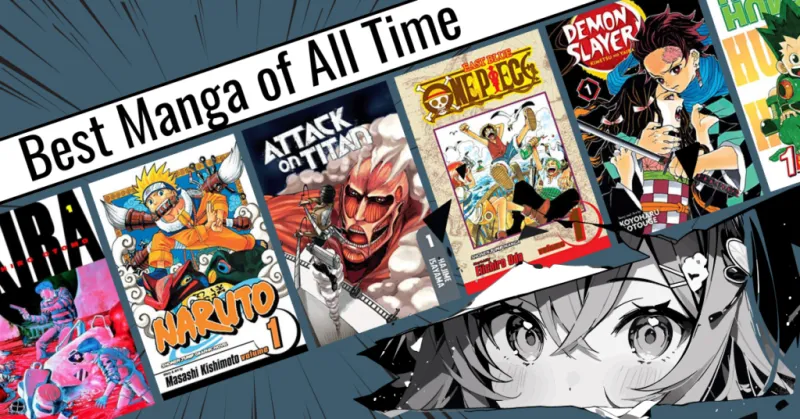
Swipe, Pause, Read: How Manga Took Over TikTok and Rewired How a Generation Discovers Comics

Photo: SCA Svenska Cellulosa Aktiebolaget, CC BY 2.0, via Wikimedia Commons
Somewhere between a cooking tutorial and a thirst trap, TikTok decided that manga was extremely online now. If you've spent any time on the app in the last few years, you've almost certainly run into it — a creator zooming in on a jaw-dropping panel, someone reacting in real time to a brutal chapter cliffhanger, or a video essay breaking down why a particular arc is secretly a masterclass in storytelling. Manga, a medium that's been quietly building its Western fanbase for decades, suddenly has a front-row seat in the attention economy.
And it's not a fluke. This is a genuine cultural shift — one that's changing how younger American fans encounter manga for the first time, and reshaping how publishers think about discovery and marketing.
The Algorithm Loves a Good Cliffhanger
To understand why manga exploded on TikTok specifically, you have to think about what the platform rewards. Short-form video thrives on emotional reaction, visual surprise, and the promise of more. Turns out, manga — with its dramatic panel compositions, gut-punch plot twists, and chapter-ending cliffhangers designed to make you immediately reach for the next volume — maps onto that formula almost perfectly.
Creators figured this out fast. A video of someone reading a pivotal Jujutsu Kaisen chapter for the first time, face going from calm to genuinely distressed in about thirty seconds, is compelling content. It's authentic, it's emotional, and it makes the viewer want to know what on earth just happened. That curiosity drives streams, searches, and — crucially — purchases.
The format also works because manga panels are visually striking in a way that translates well to a phone screen. A single page from Berserk or a splash panel from Chainsaw Man hits differently when it fills your entire display with the right ambient music underneath it.
The Series That Broke Through First
Not every manga blows up on TikTok equally. Certain series have become almost synonymous with the platform's manga ecosystem, and it's worth looking at why.
Jujutsu Kaisen is probably the clearest example. The series has a combination of factors that make it deeply TikTok-friendly: visually dynamic fight sequences that look incredible even as still panels, an emotionally devastating story that generates genuine reactions, and characters with massive stan energy. When major story events happen — and JJK is not shy about major story events — the reaction content floods the For You Page within hours.
My Hero Academia built a massive TikTok presence through a slightly different route: character analysis and shipping culture. The show's sprawling cast and years of content gave creators endless material for video essays, tier lists, and debate-bait hot takes. That kind of ongoing discourse keeps a series perpetually relevant on the platform even during slower story periods.
Newer titles like Chainsaw Man and Blue Lock have benefited directly from this ecosystem. Both series built significant US hype partly through TikTok before their anime adaptations even aired, with manga readers essentially pre-marketing the shows to a new audience.
BookTok Gave It a Blueprint
Manga's TikTok moment didn't happen in a vacuum. It rode in on the coattails of BookTok, the wildly influential corner of the platform that turned reading into a social activity and made certain novels bestsellers almost overnight. The BookTok formula — personal recommendations, emotional reactions, aesthetic "reading vlog" content — translated naturally to manga once creators started applying it.
The "MangaTok" community borrowed that same energy and added its own flavor: more reaction content, more deep-dive analysis, more crossover with anime fan spaces. Creators like panel-by-panel breakdown accounts and manga unboxing channels built real audiences by treating manga with the same enthusiasm that BookTok gave to romantasy novels.
For American publishers, this has been a revelation. Viz Media, Yen Press, and others have had to rethink how they approach social media entirely. A single viral TikTok recommending a backlist title can cause it to sell out at Barnes & Noble within a weekend. That's a kind of organic marketing that no advertising budget can reliably replicate.
Reading Manga Backwards: The New Discovery Funnel
Here's where things get genuinely interesting from a cultural perspective. For previous generations of Western manga fans, the discovery funnel usually went: watch anime → get obsessed → track down the manga. The show was the gateway.
For a significant chunk of Gen Z fans, that funnel has flipped. They encounter a manga through TikTok first — a reaction video, a "you need to read this right now" recommendation, a viral panel — and that becomes the entry point. The anime, if they watch it, comes later. The physical or digital manga is often the first product they buy.
This matters because it changes the relationship between fans and the medium. Readers who came in through social media tend to be more engaged with the community around a series, more likely to participate in discourse, and more likely to evangelize to their own followers. They're not passive consumers — they're active participants in the content ecosystem.
It also means publishers have a new challenge: keeping up with demand from an audience that moves fast. When a series goes viral, it needs to be available and accessible immediately. Delays in translation or digital availability used to be frustrating inconveniences; now they're potential deal-breakers for an audience that's used to instant access.
The Authenticity Factor
One thing that sets MangaTok content apart from traditional marketing is how unpolished a lot of it is — and how much that actually helps. A creator filming themselves at their kitchen table, genuinely losing it over a chapter ending, is more persuasive than any slick promotional video. That authenticity is the whole point.
Creators who've built real audiences in this space tend to share a few qualities: they're clearly genuine fans, they have strong opinions, and they're not afraid to be emotional about the stories they love. That's exactly the kind of content that makes someone else think okay, I need to see what this is about.
Where This All Goes Next
Manga's TikTok moment doesn't look like it's slowing down. If anything, as more titles get anime adaptations and as the platform continues to grow, the feedback loop between social media buzz and manga sales is going to get tighter.
For longtime fans, watching manga go viral can feel a little surreal — like seeing your favorite underground band suddenly on the radio. But the net effect has been overwhelmingly positive: more readers, more discourse, more pressure on publishers to do right by the medium. A forty-year-old art form found a second wind in the scroll-and-swipe era, and honestly? It fits right in.