From Otaku Niche to Street Style: How Anime's Most Divisive Aesthetic Took Over Gen Z Fashion
There's a certain irony in watching something that anime critics once dismissed as pure fan bait become a genuine fashion movement. Yet here we are — maid café aesthetics, catgirl accessories, and hyper-feminine character design elements that once lived exclusively in the margins of otaku culture are now showing up on TikTok lookbooks, Depop storefronts, and even the occasional runway mood board. How exactly did that happen?
The short answer: Gen Z doesn't play by the same rules of cultural shame that older generations did. The longer answer is a lot more interesting.
What Even Is the "Maid Café Aesthetic"?
If you're not already deep in the anime rabbit hole, here's the quick rundown. Maid cafés are a real thing in Japan — themed coffee shops where staff dress in elaborate French maid costumes and treat customers as guests in their home. The concept exploded in Akihabara during the early 2000s and quickly became a cultural touchstone, both celebrated and criticized depending on who you asked.
In anime, the "maid" character archetype (and its close cousins — the catgirl, the shrine maiden, the magical girl) became shorthand for a very specific visual language: frilly skirts, aprons, hair accessories, pastel palettes, and a kind of exaggerated sweetness. Critics, especially in Western media, were quick to label all of it as fan service — content designed primarily to appeal to a male gaze with little artistic merit beyond that.
And sure, some of it was exactly that. But reducing the entire aesthetic to that single lens missed something important happening underneath the surface.
The Reclamation Begins
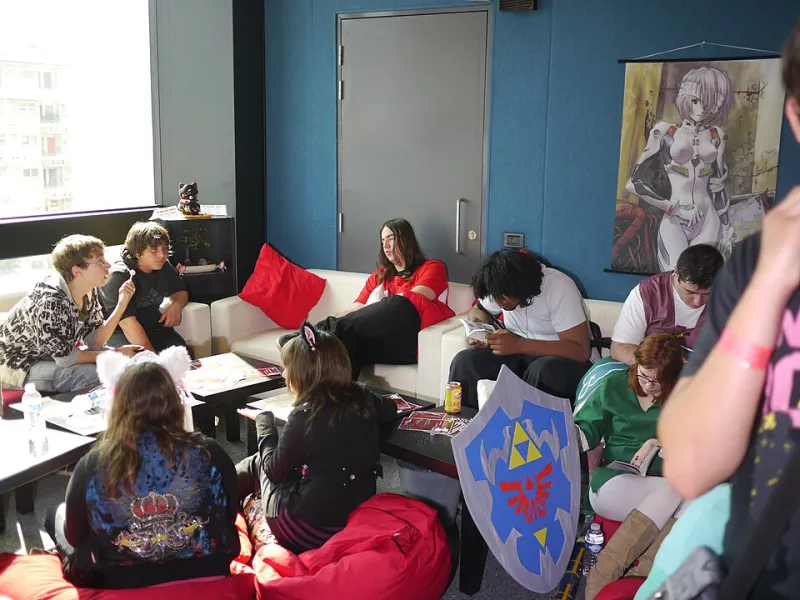
Fast forward to the mid-2010s and something started shifting. Cosplay culture — already a massive creative community in the US — began treating these character designs not as problematic artifacts but as genuine art projects. Cosplayers weren't just recreating outfits; they were deconstructing them, remixing them, and injecting their own identities into the final product.
A Black cosplayer rocking a maid-inspired look wasn't replicating a fan service trope — she was reclaiming a visual language and making it her own. A non-binary creator building a catgirl look from scratch using thrifted materials wasn't feeding into objectification — they were playing with gender presentation through the lens of a subculture they loved. The aesthetic stayed recognizable, but the context around it shifted dramatically.
This kind of cultural reclamation isn't unique to anime. It's the same process that turned punk fashion from a rebellious fringe movement into a mainstream aesthetic, or transformed hip-hop streetwear into high fashion. What makes the anime version interesting is how fast it happened and how digitally native the whole process was.
TikTok, Harajuku, and the Algorithm's Role
You genuinely cannot overstate how much TikTok accelerated all of this. The platform's algorithm doesn't care about cultural gatekeeping — it cares about engagement. And content sitting at the intersection of anime, fashion, and self-expression was pulling massive numbers.
Creators under hashtags like #kawaiifashion, #animeaesthetic, and #cottagecore (which shares significant visual DNA with certain anime styles) were racking up millions of views. What started as niche cosplay content evolved into full-on fashion inspo. Suddenly, the lacy headbands and puff-sleeve blouses that anime character designers had been drawing for decades were showing up in "what I wore this week" videos with zero anime context attached.
Harajuku fashion — Tokyo's legendary street style district — deserves credit here too. Styles like Lolita fashion and Decora, which have always existed in conversation with anime aesthetics, gave Western Gen Z a framework for understanding these looks as legitimate fashion subcultures with history and community behind them, not just costume pieces.
The Empowerment Argument (And Why It's Complicated)
Here's where the conversation gets genuinely thorny, and it's worth sitting with the complexity rather than rushing to a clean conclusion.
Some critics — including feminist media scholars and longtime anime fans — push back on the reclamation narrative. The argument goes something like this: calling something "empowering" doesn't erase the origins of the design language. Many of these aesthetics were built specifically to appeal to a male consumer base, and simply wearing them with confidence doesn't automatically dismantle that history.
That's a fair point. And it's one that a lot of Gen Z creators are actually engaging with directly rather than dismissing. You'll find TikToks and YouTube essays from anime fans who both love these aesthetics AND critique their origins in the same breath. The nuance is there — it's just not always visible if you're only looking at the surface level of the trend.
What's genuinely new here is that the conversation is happening at all. Previous generations of Western anime fans often either uncritically consumed fan service content or rejected it wholesale. Gen Z seems more comfortable holding both things at once: this aesthetic came from a complicated place, AND I can do something meaningful and personal with it.
Where Fashion Is Actually Going With This
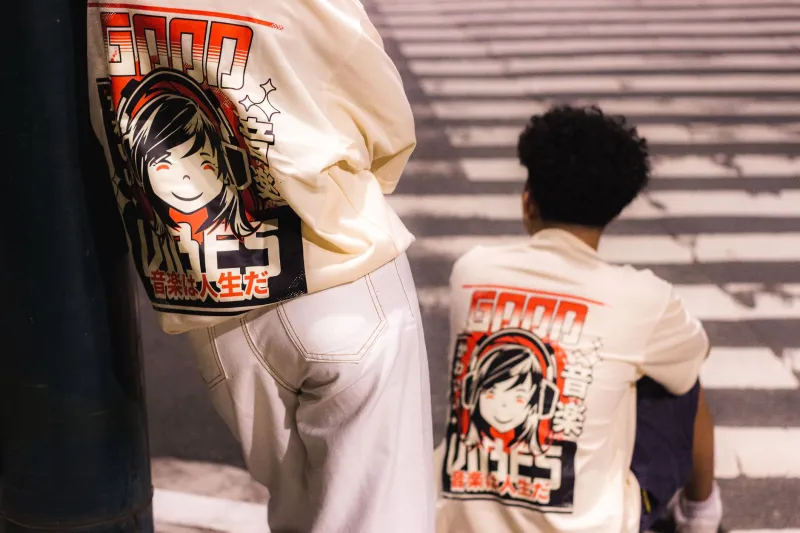
The mainstream fashion industry has noticed, even if it's been a little slow to acknowledge where the inspiration is coming from. Brands like Lazy Oaf and various indie designers on Etsy have been incorporating anime-adjacent visual elements — oversized bows, apron-style overlays, pastel colorways with graphic elements — into collections that sell to people who may have never watched a single episode of anime in their lives.
Collaboration culture has also played a huge role. When major streetwear brands partner with anime franchises (which is happening constantly now), they legitimize the aesthetic crossover in a way that trickles down to everyday fashion choices. If Supreme can put an anime graphic on a hoodie and call it high fashion, the visual language of anime — including its more controversial character design elements — gets a mainstream hall pass.
Cosplay itself has also leveled up significantly as a creative practice. Events like Anime Expo and Otakon in the US showcase craftsmanship that rivals professional costume design, and the creators behind the most elaborate maid or catgirl builds are being recognized as artists, not just fans in costumes.
The Bigger Picture
What the maid café aesthetic's fashion journey really illustrates is something PediaJP has been tracking across a lot of different corners of Japanese pop culture: the gap between how Western media initially reads Japanese entertainment and what it actually means to the communities engaging with it is almost always wider than it first appears.
Gen Z didn't just stumble into liking anime aesthetics. They grew up with them, wrestled with their complicated histories, and decided to do something creative and personal with what they found. That's not naivety — that's cultural fluency.
Whether you're a longtime anime fan who remembers when maid cafés were a punchline in Western media coverage of Japan, or someone who just bought a lace headband because it showed up in your TikTok feed, you're participating in one of the more fascinating aesthetic evolutions happening in fashion right now. And yeah — it started with anime.