Rooting for the Bad Guy: How Anime Turned Villain Backstories Into the Most Compelling Part of the Show
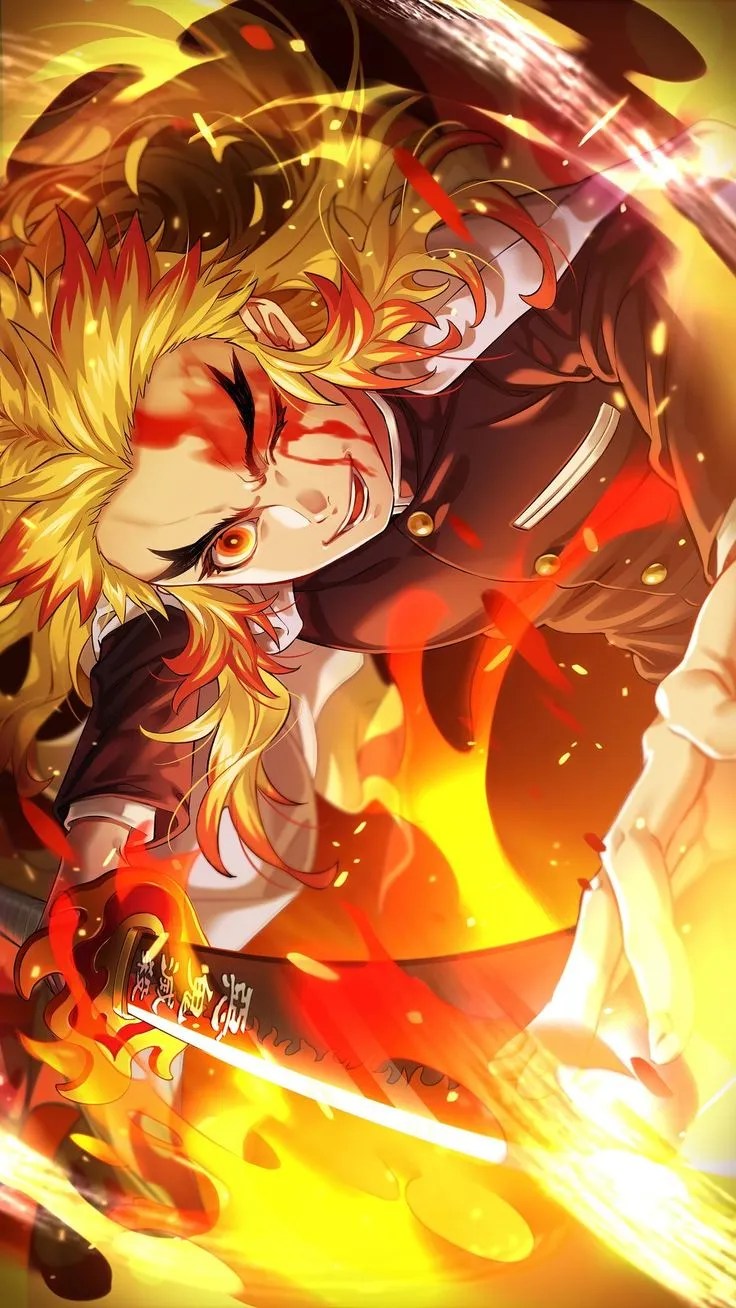
Photo: anime villain dramatic dark fantasy artwork, via i.pinimg.com
There's a moment in almost every great anime when the "bad guy" gets their episode — the one that rewinds the clock, shows you where they came from, and suddenly makes everything feel a whole lot more complicated. You were supposed to hate this person. Now you're crying at 2 a.m. wondering if they were ever really the villain at all.
This isn't a coincidence. Over the past decade or so, anime has quietly pioneered one of the most emotionally sophisticated storytelling trends in all of entertainment: the villain origin story done right. And American audiences? They are absolutely here for it.
The Old-School Villain Was Kind of Boring
Let's be real — for a long time, anime antagonists weren't all that interesting. Classic shonen series often featured Big Bad villains whose entire personality was "wants power" or "hates the hero for vague reasons." They were obstacles, not characters. You didn't need to understand them; you just needed the protagonist to beat them.
That formula worked well enough. But as anime grew more sophisticated — and as global audiences started demanding richer narratives — something shifted. Writers started asking a different question: What if the villain had a point?
Demon Slayer's Akaza: A Warrior Broken by Grief
Few villain reveals hit as hard in recent memory as Akaza's backstory in Demon Slayer: Kimetsu no Yaiba. On the surface, Akaza is terrifying — an Upper Moon demon who murders one of the series' most beloved characters without blinking. He's set up as pure threat.
Then his past unravels. A sickly father. Desperate choices. A girl he loved and a life that was ripped away from him before he ever had a real chance at it. Suddenly, Akaza's obsession with strength reads less like villainy and more like trauma response. He's not evil for the sake of evil — he's a man who lost everything and found the worst possible coping mechanism.
That recontextualization is what modern anime does so well. It doesn't excuse the harm characters cause, but it makes you feel the weight of how they got there.
My Hero Academia and the Radicalization of Shigaraki
My Hero Academia takes a slightly different approach with Tomura Shigaraki, and it's arguably even more unsettling because of how recognizable it is. Shigaraki's origin isn't rooted in some ancient tragedy or mystical curse — it's the story of a neglected, traumatized kid who fell through the cracks of a society that was too busy celebrating heroes to notice who it was leaving behind.
For American viewers especially, that hits differently. The idea that systems meant to protect people can fail them — and that those failures create the very threats the system then has to fight — isn't abstract. It's a critique that lands close to home. MHA uses Shigaraki to ask uncomfortable questions about heroism, institutional failure, and who gets to be saved. That's a lot of weight to put on a cartoon villain, and the show carries it remarkably well.
Jujutsu Kaisen's Mahito and the Villain Who Doesn't Want Redemption
Not every complex villain is meant to be sympathized with — and Jujutsu Kaisen understands that distinction sharply. Mahito is fascinating precisely because he's given depth and philosophy without being softened. He's curious, almost childlike in his enthusiasm, and he has a coherent worldview. He's also genuinely monstrous.
What makes Mahito compelling isn't a sad backstory — it's that he represents a kind of evil that emerged naturally, without trauma to blame. He's what hatred of humans looks like when it's given a face and a voice. JJK uses him to explore how ideology, not just pain, can produce a villain. That's a more intellectually uncomfortable space to sit in, and the series doesn't flinch from it.
Why American Audiences Are Especially Drawn to This
Here's the thing about U.S. pop culture right now: audiences are exhausted by simple morality. After years of prestige TV antiheroes — Walter White, Tony Soprano, Cersei Lannister — American viewers have been trained to find the most interesting story in the gray areas. Anime's villain backstories slot right into that appetite.
But anime also does something Western prestige TV often doesn't: it lets you feel genuine grief for a character while still acknowledging the harm they caused. There's rarely a clean resolution. Akaza doesn't get redeemed in the traditional sense. Shigaraki doesn't have a heartwarming turn. The sadness is allowed to just be sad, and the moral complexity is allowed to stay complicated. For an audience that's grown skeptical of tidy narratives, that feels honest.
The Craft Behind the Gut Punch
It's worth noting that this kind of storytelling is genuinely hard to pull off. Done poorly, villain backstories feel like excuses — a cheap attempt to make audiences forget what a character actually did. The reason series like Demon Slayer and MHA succeed is because they never use the backstory as a get-out-of-jail-free card. The harm the character caused remains real. The other characters — and the audience — are allowed to hold both truths at once.
That's sophisticated emotional writing, full stop. And increasingly, it's one of the clearest signals that anime isn't just a niche entertainment category anymore — it's setting the standard for how stories about morality, trauma, and identity get told.
The Villain Episode Is Now Must-Watch TV
Ask any serious anime fan and they'll tell you: the villain backstory episode is often the one that gets talked about the longest. It's the one that gets clipped and shared across social media, the one that shows up in "best anime moments" lists years later, the one that makes newcomers realize this medium is doing something genuinely special.
That's not an accident. It's the result of writers who understand that the most interesting question in any story isn't "will the hero win?" It's "how did things get this broken in the first place?" Anime has gotten very, very good at answering that question — and audiences on both sides of the Pacific are better off for it.